20 Tips for Getting Ahead While Waiting

Building hugelkeets with the blessing of a friend’s tractor
Once you’ve purchased a piece of property or farm, you may be ready to zoom ahead and get that farm going.
But in reality, it seems like many of us find ourselves waiting for something.
Waiting for the right season for building or planting or buying starter livestock.
Waiting for the money to buy what we need.
Waiting for the time to get a big project done…or even just to start it.
The good news is, there are lots of things you can do while waiting. What’s more, many of them can be accomplished while you still live in an urban or suburban home.
Here are some great ideas and suggestions in a guest post from RLT reader Mary.
What to Do While You’re Waiting
It’s hard to believe that it’s been over a year since we moved onto our little farm-ette.
We arrived with great expectations for our new adventure.
What we found was that life didn’t slow down just because we moved.
If anything, it seems that it sped up, adding more and more to our plate. In addition, we discovered the financial reality of moving to a farm. The cost of moving, putting up fences, securing animals, etc…. communicated to us that some things would just have to wait.
We found ourselves asking, “Now what?” We felt like we were wasting opportunities; we were so eager to be operating full speed ahead, but the timing just wasn’t right.
So, we learned to wait.
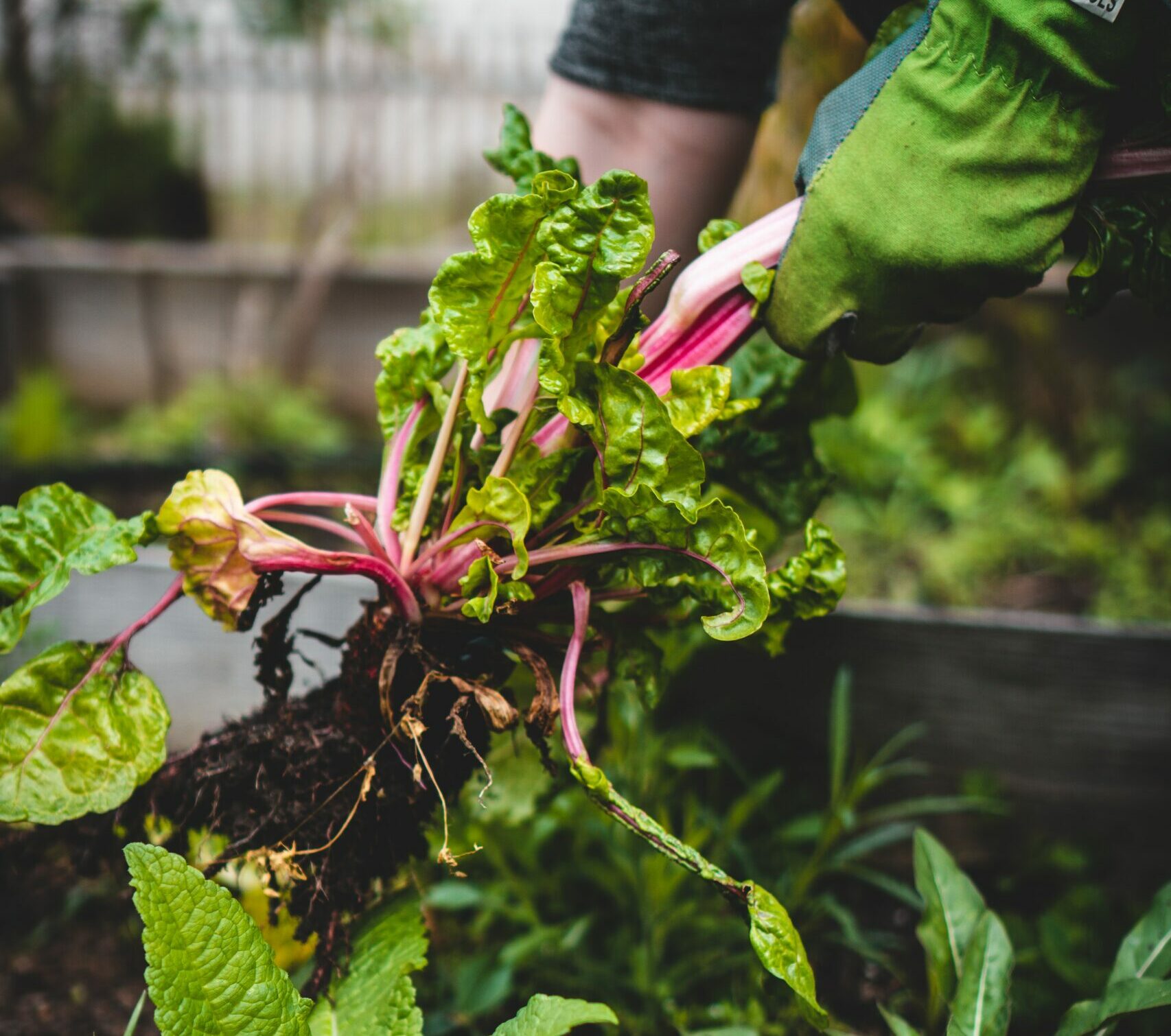
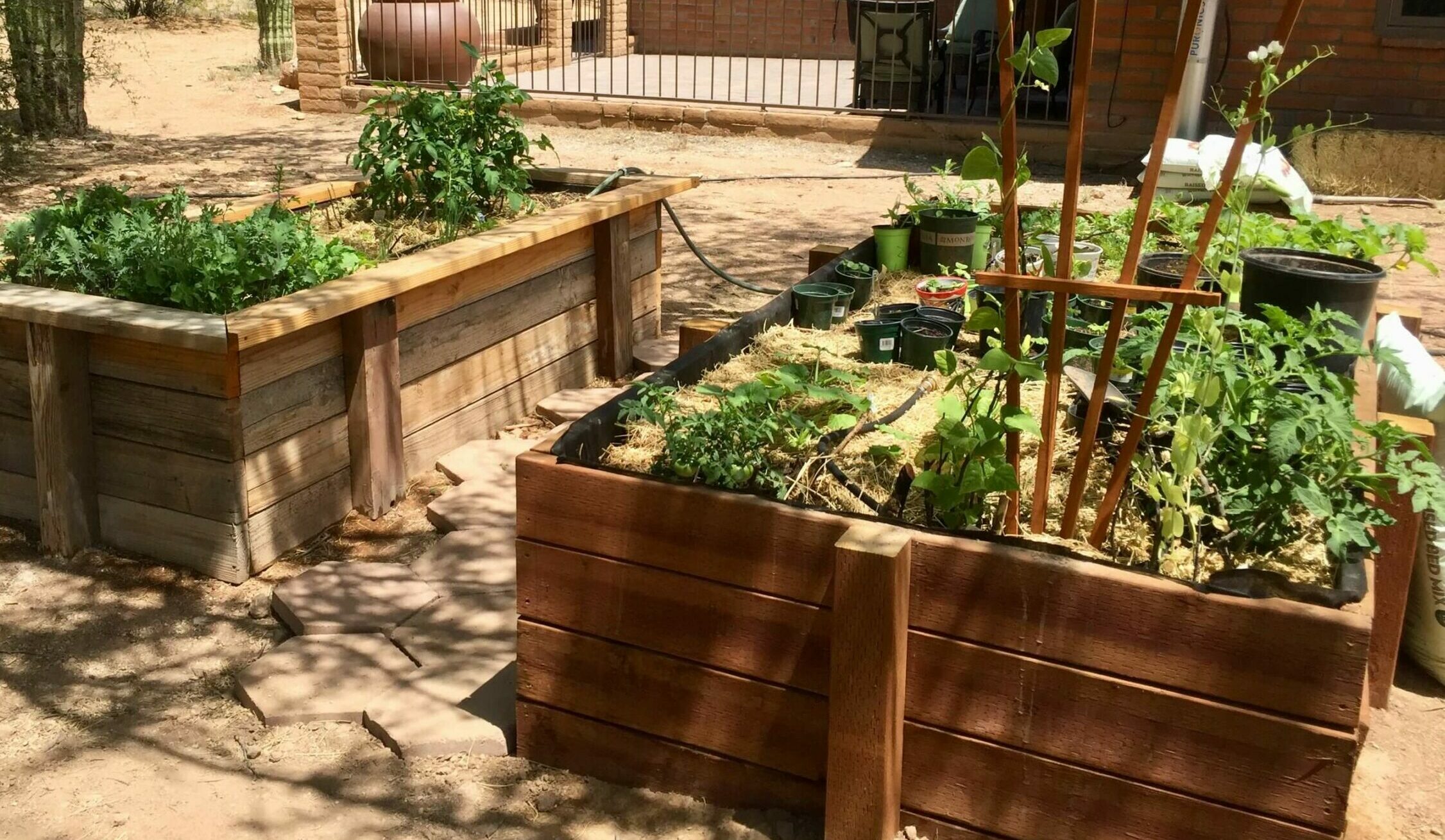
We tested soil across the property. We planned how we would use each area, based on soil type, proximity to our home, etc. We started building lasagna gardens and hugelkeets. We researched rain water collection and irrigation.

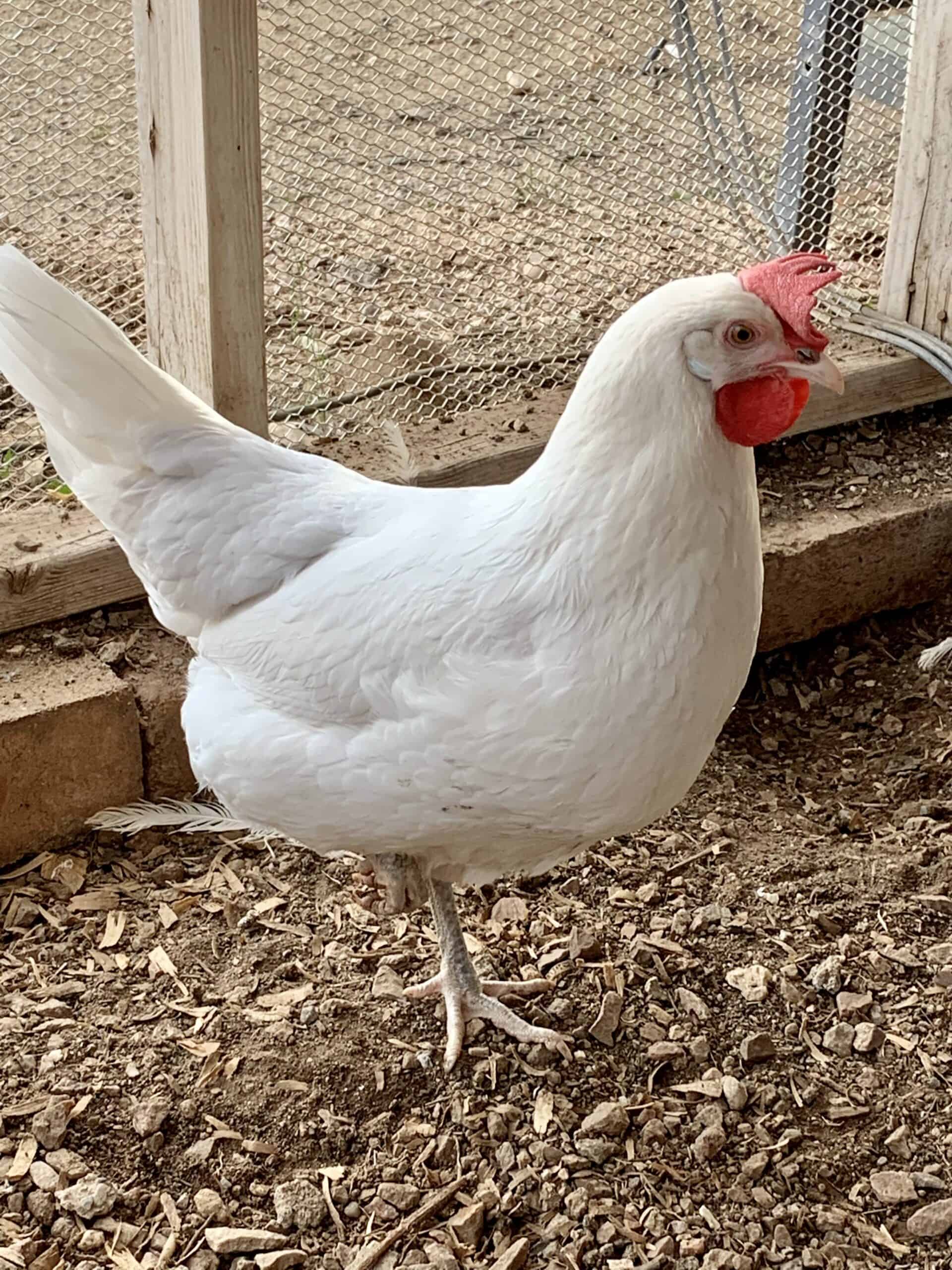
Bonding with the animal buddies
We started learning how to build a website for our farm, and started seriously researching what we could market from home and from the internet.
We solidified our ministry goals for the farm, and began talking to people about our ideas.We spent time connecting as a family, making some homemade outdoor playthings for the children, and strengthening basic skills.
We spent a great deal of time learning and doing as much as we could, within the time and budget constraints we faced.
We learned that even a season of waiting has a purpose, and is truly a blessing.
Here are some things to try while you are waiting for planting seasons, for finances, for time:
- Test the soil across your property. We discovered that certain areas of the property were better suited for different purposes.
- Secure fences…perimeter and cross fencing.
- Collect recyclable products. (We made fences, pens, stalls, forts, storage sheds, and swings out of pallets; stilts out of vegetable cans. We filled hugelkeets with old carpet, tree stumps, branches, etc. We fed tree branches to our goats, then cut the limbs for future firewood. Wood that wasn’t very usable, we put in the hugelkeets.)
- Barter or borrow equipment to help you get started. We were blessed to have a friend who loaned us a tractor to take care of some basic farm chores until we could get ours up and running.
- Look for old equipment to fix for future seasons. We were able to find an old trailer that had been sitting for a long time. It needed tires and some other repairs, but was still less expensive than buying a used one, or building a new one.
- Repair and/or sharpen tools and equipment.
- Look for natural, less expensive ways to prepare your farm. We built lasagna gardens across our future orchard. It worked well for a winter garden, and began to prepare the soil for future trees. We collected leaves, manure, and old hay from the pasture and pens. We also collected from families in town, from a tree trimming service, and from a horse ranch. We spread as much as we could across the entire property. The land looks barren right now, but we’re hoping in the spring when we can plant seed that it will have a better foundation for growing.
- Spend time with the animals you have, so they are easier to work with, and so that you know when they are healthy and when they are not. Make spreadsheets; build your medical supply kit, your first aid kit, etc.… Get to know your veterinarian.
- Research and plan. Research your market, your potential products, and any information you need for growing crops, raising animals, etc.… Research water options, rain patterns, feed options. Build contingencies for “off” years, and budget for extra expenses/less income during those years.
- Learn. Learn how to plow, how to can, how to milk…whatever you plan to do, test it out. Learn how to master your craft, how to increase efficiency and decrease costs.
- Teach the little ones. It’s easier to teach skills when your time isn’t crunched. You’ll find you have more patience, too, if there aren’t deadlines looming.
- Help your children (and your whole family) develop hobbies that can keep them meaningfully busy when you’re working, or better yet that contribute to the family. Some of my children enjoy testing soil, charting weather patterns, keeping an eye on insects in the garden, etc…. It’s a blessing to me on busy days to know that I have eyes and ears around the property.
- Cook, and can or freeze. When life gets crazy busy, you’ll be glad you have meals prepared and set aside.
- Jump ahead in school work. Children can work alongside parents and learn during busy seasons, and mom and dad have the secure knowledge of knowing academics are being supplemented instead of neglected during these times. Prior to your busy season, choose books and assignments that will prepare them for helping/understanding the purpose of what you are all doing. Encourage and commend independent and discovery-based learning which will help your children learn on their own when you are working.
- Spend time with friends and extended family. Rejuvenate your family with these times; making memories that you can talk about as you work together. You won’t feel so bad when you don’t have time for visits during your busy seasons, if you know you have given them the best of your time during your slow season.
- Catch up on photos and correspondence (written or electronic).
- Deep clean your home and property. Set up a cleaning and maintenance plan. Discuss dangerous pests and predators, teaching your children what to do if these are spotted.
- Host drills. Fire, weather, injured animal, and other emergencies will go smoother if you have practiced and acted out what to do when they happen. They will also show your family where weaknesses are…i.e. do you need a veterinary handbook, do you need to recharge your fire extinguisher, etc….
- Enjoy each other. Again, when the busy season hits, little ones will fare better if they’ve had your time going into that season. So will husbands and wives. The whole family will be tighter if they’ve taken the time to read together, play together, just be together.
- Here’s where we add your ideas!

Playtime on the giant mulch pile we received from a local tree trimming service. Notice the pallet fences in the background. We gather, sort, and use them around the property for cross fences, pens, play forts, and more.
We hope your season of “waiting” is a blessing to your family.
Please share other ways in which you have used your “down time,” to bless your family and benefit your farm!
Mary lives with her husband, their home-educated children, and their menagerie of animals on a small farm near the Gulf Coast. A contributor to the Center for Biblical Parenting blog, Mary has a passion for seeking and sharing the heart of God and His creation with her children, and with those who seek encouragement to live out His amazing adventure.
Read more about this family’s transition from their previous homes to their farm dream in these previous Rural Living Today posts written by Mary:
Tale of a Wanna-Be Farm Family Part 1 of 3
Tale of a Wanna-Be Farm Family Part 2 of 3
Tale of a Wanna-Be Farm Family Part 3 of 3

This post shared at Homestead Barn Hop, Natural Living Monday, Clever Chicks Blog Hop, Backyard Farming Connection Hop, Homestead Abundance Blog Hop, Frugal Days, Sustainable Ways, Wildcrafting Wednesday, Wicked Good Wednesday, Down Home Blog Hop, HomeAcre Hop, Simple Lives Thursday, Little House in the Suburbs DIY Linky, Dandelion House Farmgirl Friday Blog Hop, No Ordinary Homestead Natural Living Link Up, Small Footprint Friday, Farm Girl Blog Fest
|
Claim Your Free Subscription Now!
Our Insider Email magazine provides assistance & inspiration for developing your homestead.
|
|
|
We hate spam just as much as you
|


All those ideas are great for anyone learning how to be more self sufficient. It showed me there is a lot that needs doing when I think there isn’t much to do or can be done due to weather and such.
I’ve printed that list out and taped it next to my honeydo list.
Thanks Dan! Great idea about printing and posting! I may do the same for our family, so that when we’re in a slow season, we remember what we’re doing!
I completely agree Dan.
Being self sufficient in this day and age is a massive thing. I know there have been many times when I wish I were self sufficient.
What a great idea to print it out. I hardly ever print things out, but this would definitely be worth it.

Iain recently posted..12 secrets for email list building
OK, I give~ what does “hugelkeets” mean?
A Hugelbeet is a form of mounded garden that contains lots of organic matter and will just keep churning out those crops for a few years without too much extra nutrient application. You can be creative with the specific ingredients used, based on whats avalaible. The basic idea is coarser longer lasting stuff in the core, moving out through sod, leaves, seaweed, and topped off with a layer of compost/soil. It’s a raised garden using mounding of plant material.
Thanks Dan! Better than I could have explained!
For ours, we have excavated a long strip of land about 2-3 ft deep, and have been filling it in with a variety of materials (logs, mulch, old hay, leaves, branches, etc… Think of a deep lasagne garden.)
After the “giant lasagne garden” is complete, the excavated dirt goes back on top of the protruding layer (our top layer uses branches and other organic materials, extending roughly 3-4 feet above ground level).
This effect creates a mound, which will then be planted. The gaps between the layers inside the mound allow for root growth, water retention, and nutrient flow. In drought areas, it is a eco-friendly way to grow both crops and landscape plans.
Google Hugelkulture (found at permaculture sites as well).
In addition to classic huglekulture, we plan to use ours as a way to direct waterflow, and to provide pleasing scenery along a property line.
Hope this helps to visualize what we’re doing.
Thanks Laila for asking, and Dan for responding!
Mary
Thanks Mary and Dan!
Great article and LOTS of great suggestions! Thank you for sharing this on Wildcrafting Wednesday.
Kathy,
Thanks for reading. I hopped over to your site, and spent some time browsing…and bookmarking it! Wonderful information! We used foot zone therapy with my oldest, who was born with several neurological and pysiological issues. It worked wonders. We need to get back into it again with the whole family! Thanks for making the information available!
Mary
Hi Mary,
I’m so glad you found foot zone therapy useful! I have seen so many wonderful results from the foot zone technique.
Did you notice the Find a Foot Zoner Near You button and page? The button is on the right side bar and the page is at the top under the Foot Zone tab. If you still can’t find someone on the list close enough, let me know and I’ll see what I can find out.
I’m glad there was information on my site that may be helpful to you.
I started the site as a way to have one central location for sharing information with students, clients, and other foot zoners and it’s kind of taken off from there.
Btw, I love the information on your site too. I haven’t had a lot of time to look around yet, but it’s definately on my “to-do” list.
Thanks again for stopping by!
~ Kathy
Thank you. The Rural Living Today site has been such a blessing for my family as we have learned and grown along our journey. It’s an extra blessing to be able to write for them.
Mary
Really you kind of touched on this, but how about setting long term goals? Dream big, set a SMART goal, and break it down into chunks to see what you need to accomplish each month (let’s say) to get you where you want to be.
This really is a great list, some things I hadn’t really considered myself.

Jamie at Prepared to Eat recently posted..3 Good Books to Own
We agree, Jamie–long-term goals are very important! We like that you mentioned SMART goals…much more reachable than lofty ones. So many projects on a homestead can be broken down like you say. Thanks for sharing!
This is great. We purchased our suburban home 7 months ago, and I have all these great dreams of creating a (sub)urban homestead, but it has been slow going. I think these ideas will really help me as I get things started around here.
I have to keep reminding myself that Rome wasn’t built in a day, and neither will our “farm.”
You’re so right–farms aren’t built in a day…or even a year! We usually work on 5-year plans and for us that’s more realistic for starters! We’d love to see from time to time what you’re doing on your place!
Great suggestions! I like to spend my down time reading up on skills I would like to try out. This winter I am reading about bee keeping and intensive gardening.
Thanks so much for sharing on The HomeAcre Hop and Wildcrafting Wednesday!
Lisa Lynn recently posted..Cranberry Pineapple Muffins
Lisa Lynn,
Intensive gardening was something we researched this summer…interesting concepts! Bees! I may have questions for you,, if you get to it before I do. We have a child who is allergic, so we’re always trying to figure out how to attract the bees to the garden, but not to the child! Every year there are large nests of Africanized bees near where we live, so that is always in the back of my mind, especially when we see bees “chasing” us from where we are working! So far, everything has been; but I want to continue learning more. I’ve bookmarked your website, and will keep checking in!
Hi, Marie,
Thanks for sharing this post on Homestead Abundance last week. It is one of this week’s featured posts and I’m so glad. I shared it yesterday on my Facebook page, too. This is a reminder that there really is no “down” time when you are homesteading — even in the bad weather there are useful things to do that will improve your life and your comfort.
Thanks for linking up on Homestead Abundance.
Chris
Joybilee Farm recently posted..Free Homestead Kindle Books for self-reliance and preparedness – Jan 29th edition
Chris,
Thank you so much for featuring my article! I’m thrilled that our “learning curve” has been such a help to so many people! And, it was amazing to see how much needed to be done “while we were waiting!”
I enjoyed browing your site; thank you for the wonderful Kindle links! I look forward to exploring more… we don’t raise any animals for fibre–yet, but you’ve given me some food for thought!
Mary
My husband and I have recently been discussing building our own homestead within the next 5 years. I wish we could start now but financially it is not possible yet. We live average modern (but broke as a joke lol) lives right now with our 4 kids. We have a very long ways to go.
I can’t keep a plant alive, if you need one killed I’m the one for the job. Hubs on the other hand has a dream of running a green house and went to school for agricultural science. So my goal for this year is a small family garden where we begin to grow our own food. We rent so it can’t be big but we are going to do a container garden and try a vertical one as well as a small regular one.
No one every taught me anything about running a home or family much less how to cook, can or anything else. My dad taught me basic sewing stitches and an old babysitter taught me a double crochet stitch about 22 years ago. That’s about it. Everything else I have learned by trial and a fair amount of error.
For those in my similar position here is my “Things to Accomplish” list for while I wait to be able to even buy an acre of land.
Gardening in many forms
Hunting (I can gut a deer but I’ve never shot anything living)
Fishing (I used to be able to use a cane pole as a kid)
Seed saving and using cuttings or scraps to start plants
Canning (I’m open to advice on how to start without a pressure canner until I can afford one)
Cooking not from a box (For us that’s a huge step since I can’t even cook rice without burning it)
Decreasing electric devices (I bought an old hand potato masher the other day so no more kitchen aide or instant potatoes, seriously though there are so many everyday devices we use that require electric and we want to try to eliminate as many as possible)
Better sewing and crochet skills (I sew okay by hand but in 2 years I haven’t used my new machine because I can’t even figure out the tension)
Knitting
Archery (for hunting and recreation)
We are also researching what would be our best options for heat, cooking, water and hot water. We want to build this ourselves and have a basic blue print drawn for the home we want, thankfully hubs also has experience with carpentry and HVAC with a little plumbing and plenty of electrician skills thrown in. We know we want to build a stone wood burning rocket stove and find a way to use that to heat our water as well as our home. We do want solar panels but here in the northern states sun isn’t so reliable so we need to figure out a backup plan and how to best store energy for future use. Our kids all have asthma so ventilation is a huge concern and we can not completely forgo electric because they often require a nebulizer (breathing treatment machine) in the winter months when the cold gets to them or if the catch any chest bugs.
There is much to consider when you decide to go off grid and there is always going to be something to do and something to learn. Right now we are working on our stockpile and emergency preparedness and looking forward to a life of self sufficiency!
Thank you for the inspiring blog and all the wonderful information!